













Gut health: how Brazil nuts can contribute to your well-being
Have you ever stopped to think about the importance of diet for intestinal health?
The digestive system performs essential functions for the body, such as digesting food and absorbing nutrients. Therefore, maintaining a balanced diet is an important part of intestinal health care.
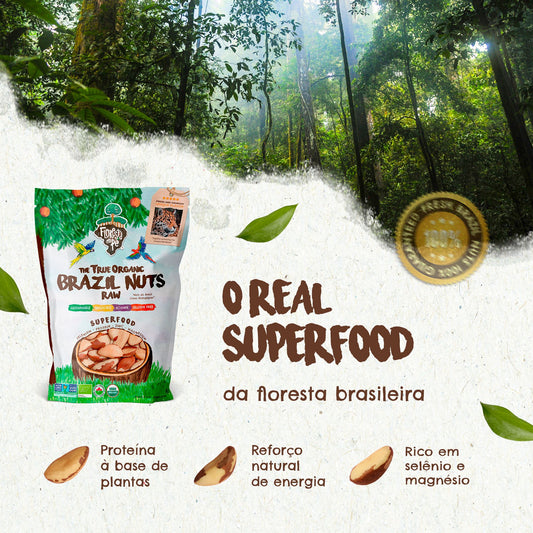
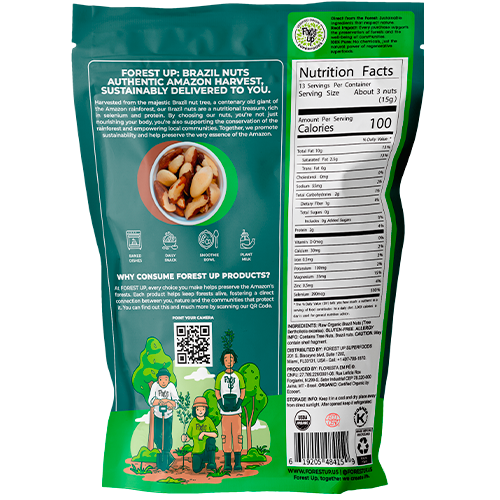
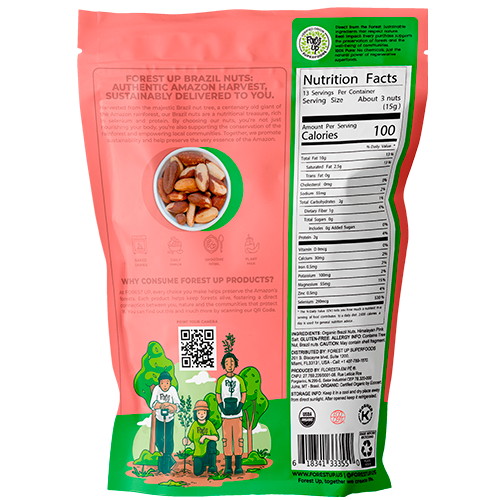
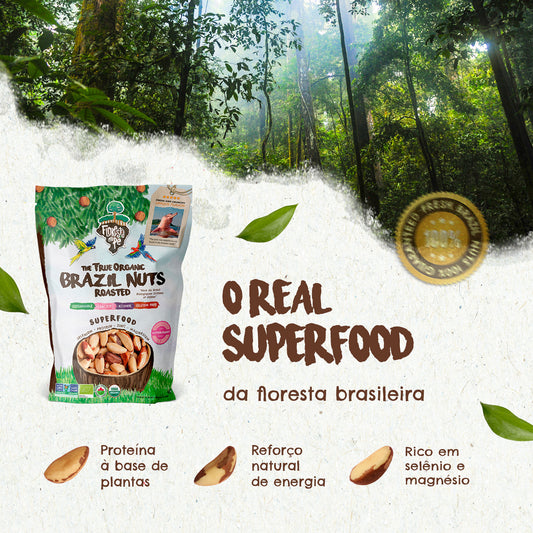
Among the foods that can be part of this routine is the Brazil nut, also known as the Pará nut. It is especially known for its high selenium content, in addition to providing protein, unsaturated fats, and dietary fiber.
But what do we already know about the relationship between this nut and intestinal health? Let's learn more!
1. First, understand what intestinal health is
Intestinal health is related to the proper functioning of the digestive system and the intestinal microbiota, which is the collection of microorganisms that live in the gastrointestinal tract.
These microorganisms participate in important processes, such as the fermentation of certain food components and the production of substances used by the body.
The composition of the microbiota can vary according to factors such as diet, lifestyle, and individual health conditions.
2. Brazil nut: a nutritional ally for intestinal health

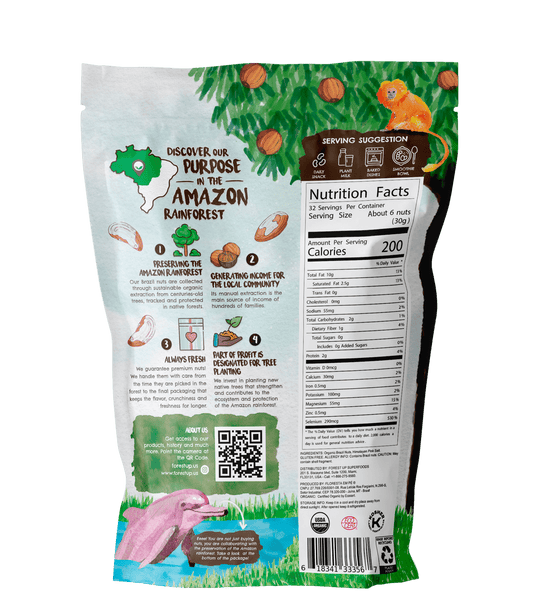
The Brazil nut stands out mainly for the amount of selenium it offers. This essential mineral participates in important body functions, including the protection of cells against oxidative damage and the proper functioning of the thyroid.
In addition to selenium, the Brazil nut contains:
- Unsaturated fats: are part of a balanced diet and contribute to the intake of healthy fats.
- Dietary fiber: helps intestinal function and is part of a diet suitable for digestive health.
- Protein: provides amino acids necessary for different body functions.
- Minerals: such as magnesium, phosphorus, and copper.
Consuming two Brazil nuts a day already gives you all these mentioned benefits!
3. What is the relationship between dietary fiber and the intestine?
Dietary fibers are important components of a balanced diet and are present in plant-based foods, such as fruits, vegetables, legumes, seeds, whole grains, and nuts.
Some fibers reach the large intestine without being completely digested. In this location, certain fibers can be fermented by intestinal bacteria.
Adequate fiber consumption contributes to:
- Regular intestinal function.
- The formation and consistency of stools.
- The maintenance of a diet favorable to digestive health.
The Brazil nut contains fiber, but it is interesting to vary the sources of this nutrient throughout the day, including different plant-based foods in the diet.
Thus, you take advantage of the variety of nutrients that each food offer1


