
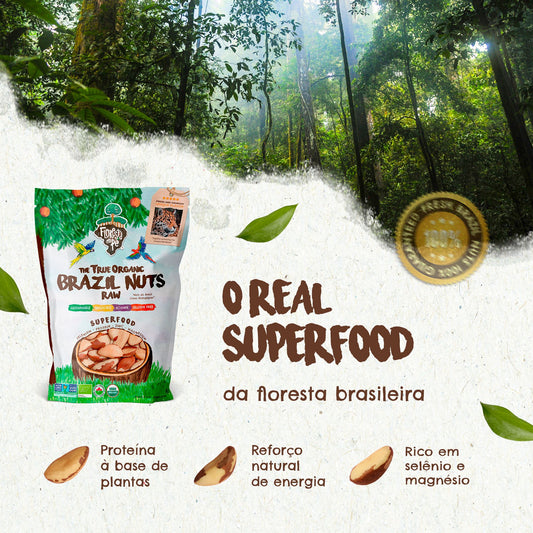








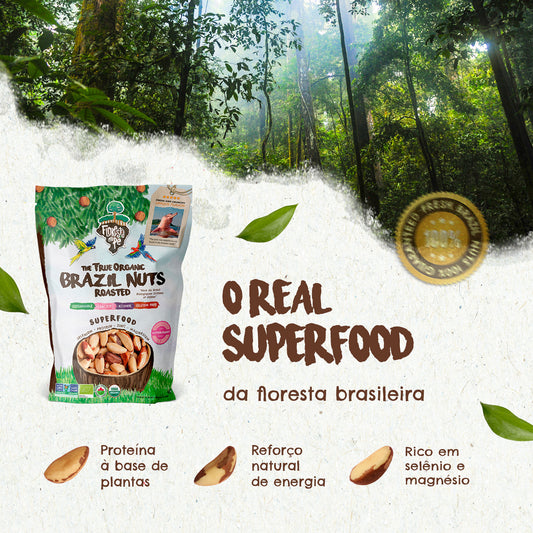





Does Brazil nut, also known as Pará nut, really help with immunity? Understand how:
Maintaining a good diet and having healthy habits, such as sleeping well and exercising, help boost our defenses, consequently making us “more protected.” “The immune system must be strengthened to fight diseases and also helps us control the coronavirus by preventing the infection from progressing to more severe forms of the disease and reducing the virus's fatality rate,” says Ingvar Ludwig, an infectious disease specialist at BP – Beneficência Portuguesa de São Paulo.
But how can Brazil nuts help boost our immunity?
The main nutrients that support immune system health are:
Vitamin C, Vitamin D, Vitamin E, Folic Acid, Carotenoids, Zinc, Selenium.
All these nutrients are present in the superfood Brazil nut.
Vitamin C is not produced by the body; therefore, it must be obtained through food. This nutrient is a powerful antioxidant that regenerates tissues. It is also an excellent protector against diseases, especially viral ones, by supporting the maintenance of lymphocytes, which are responsible for viral immunity, as well as cellular regeneration and the maintenance of the skin and mucous membranes.
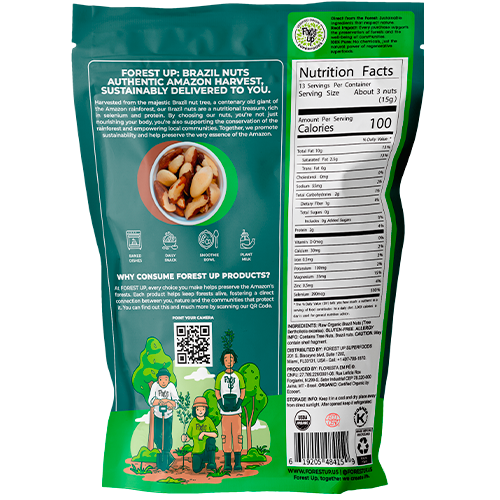
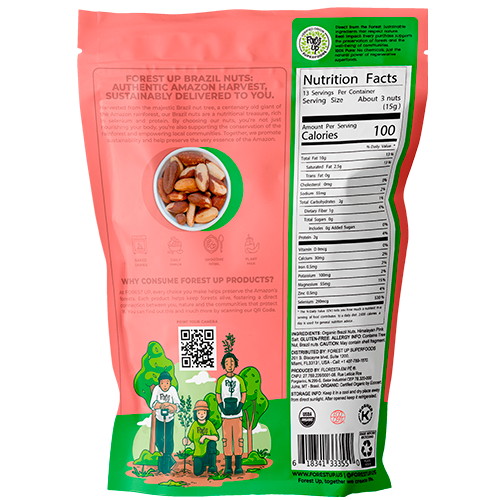
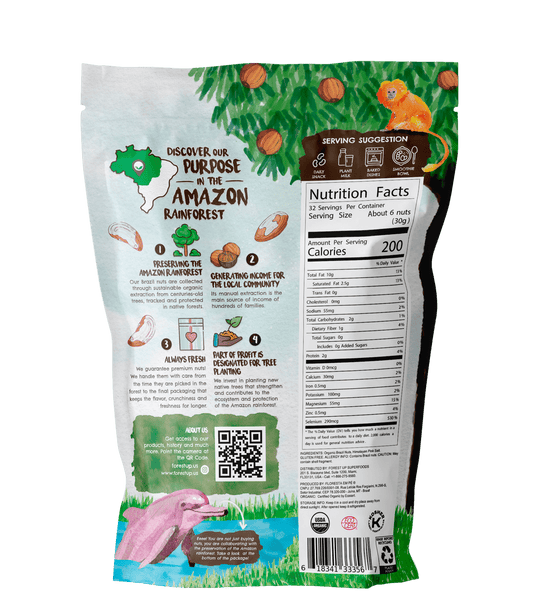
It prevents colds and the common cold by stimulating the action of antibodies and immune cells. In addition, vitamin C intake reduces the chances of lung infections and relieves influenza symptoms more quickly. It is found in small amounts in Brazil nuts (0.7 mg per 100 g), but much higher amounts can be found in fruits such as lemons, tangerines, and oranges.
Carotenoids are compounds responsible for the yellow, orange, and red pigmentation of foods. They have anti-inflammatory properties, which strengthen the immune system. However, like vitamin C, carotenoids must be obtained through food. “You can tell that a food contains carotenoids just by its color. In Brazil nuts, they are found in the oil. Therefore, it is important to include yellow, orange, red, and dark green vegetables and fruits, such as apricots, mangoes, carrots, pumpkin, tomatoes, red fruits, broccoli, and kale,” recommends nutritionist Mônica Symphoroso.
Vitamin E prevents cell aging and consequently delays damage caused by free radicals; vitamin E also stimulates the immune system. In addition, this substance has anti-inflammatory properties, prevents platelet aggregation, and enhances the action of leukocytes (or white blood cells, which are responsible for defending the body against infections, diseases, allergies, and colds, forming part of each person's immunity). If vitamin E levels are deficient, the body becomes more susceptible to infections. To include vitamin E in the diet, we can consume Brazil nuts, wheat germ, olive oil, avocado, almonds, walnuts, egg yolks, and grains.
Folic acid has a very specific role: producing and repairing DNA, which helps protect immunity. Therefore, lymphocytes are the most affected when folic acid levels are low. Folate deficiency reduces the white blood cells' response to foreign agents in the body and affects antibody production. This can lead to worsening health conditions. To add folic acid to the diet, it is recommended to consume foods such as dark green vegetables (arugula, kale, and broccoli), legumes (beans, lentils, chickpeas, and peas), and Brazil nuts.
Zinc is a mineral nutrient found throughout the body that plays an important role in the immune system. Together with manganese, it reduces the incidence of infection. However, it is not stored by the body, so adequate levels must be maintained through food. It can be found in Brazil nuts, seafood such as oysters, crab, and lobster, red meats and poultry, grains such as lentils and beans, seeds, milk, and dairy products.
Selenium is an excellent antioxidant that also strengthens the immune system. It is found in large quantities in Brazil nuts. However, consuming it in large amounts can be toxic.
Sources: Caria da Silva Silveira, nutritionist, M.Sc. in Food Engineering and Science, UFP; Ludwig, infectious disease specialist at BP – Beneficência Portuguesa de São Paulo; Edson Credidio, medical nutritionist, general practitioner, and professor at Unicamp (State University of Campinas); Sérgio Marchini, medical nutritionist and full professor in the Department of Medical Clinic and Nutrology at FMRP-USP (Faculty of Medicine of Ribeirão Preto, University of São Paulo); Semíramis Martins Álvares Domene, associate professor and adjunct professor in the nutrition program at UNIFESP (Federal University of São Paulo); Mônica Symphoroso, nutritionist at O Equilíbrio Total Nutri; Marina Fontana, nutritionist, Master of Science in Nutritional Sciences from Unicamp; Edvânia Soares, nutritionist at Estima Nutrição; Ana Luísa Vilela, medical nutritionist at Clínica Slim Form.


