


















Real Food vs. Supplements: Why Your Multivitamin Might Be Underdosed
A multivitamin is the go-to answer for "covering the basics" of your diet. But when you compare the dose on the label of a common multivitamin with what research says the body needs, there is usually a gap, especially for a mineral like selenium.
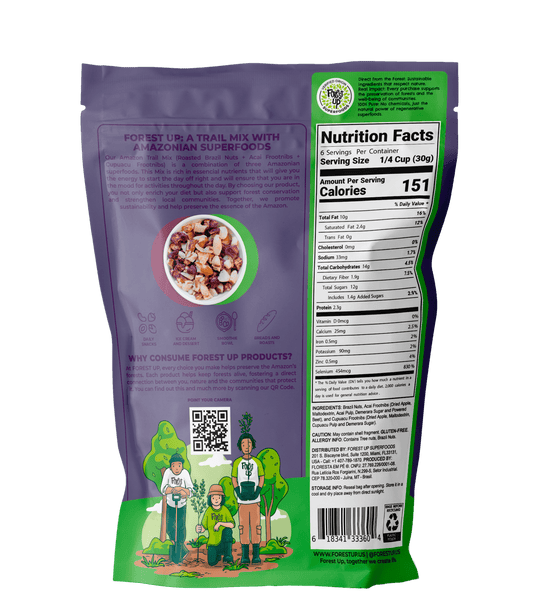
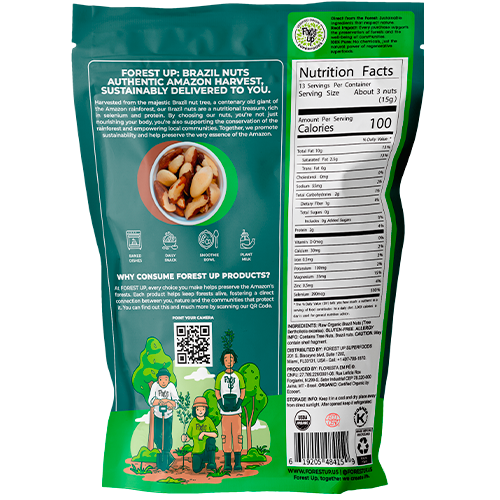
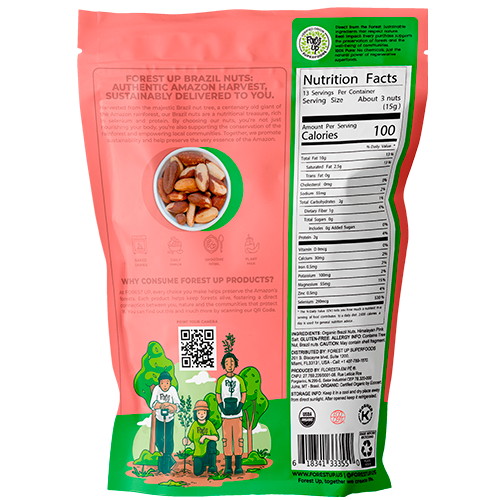
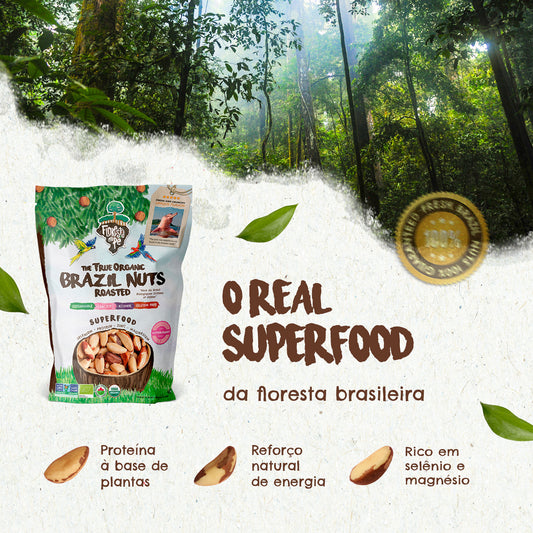
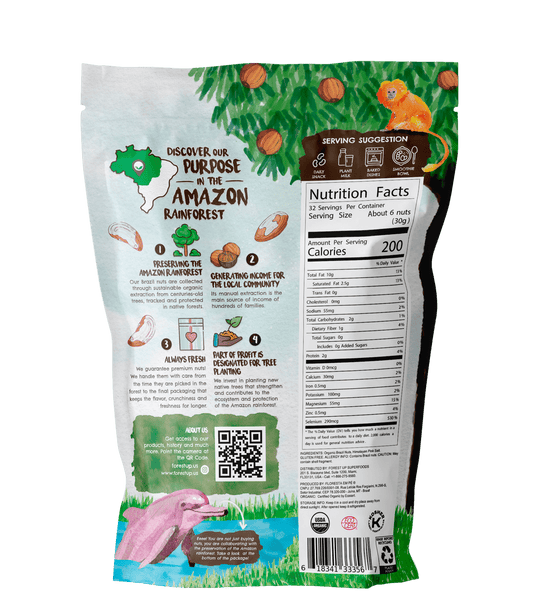
A typical multivitamin provides between 20 and 55 micrograms of selenium. A single Brazil nut can contain more selenium than most multivitamins deliver in a full daily dose, coming from a real food, with fiber, protein, and healthy fats along with it. Whole foods also tend to be absorbed and utilized more efficiently by the body than isolated synthetic compounds.
This is not an argument against supplements, you know? They have their place, especially for nutrients that are genuinely difficult to obtain from food alone. But selenium is not one of those cases—it is one of the easiest minerals to get in sufficient amounts, if you know where to look.
WHERE TO START?
Check the selenium dose on the label of your current multivitamin—most people have never really looked. Add a whole food source, like Brazil nuts, instead of doubling the pill dose. Treat supplements as a way to fill gaps, not as a substitute for real food!


